
Eczema and other forms of dermatitis are a bane for those who have them. Even though they’re rarely dangerous, these dry, itchy rashes can be baffling and are often a lifelong come-and-go affliction. Conventional dermatology usually treats the symptoms but not the cause with hydrocortisone or stronger steroid creams. Herbal therapies generally have fewer side effects address the body’s imbalance that causes the skin issue.
Avoid Irritants & Allergens
Our first goal is to rule out any topical irritants or allergens that might cause or aggravate your rashes. Soap, laundry detergent, fabric softener, and cleaning products are the most common culprits. Metal jewelry, bodycare and makeup ingredients, and certain plants can also be to blame. We all know about poison ivy, but did you know that the juices and oils of other plants – including greens in the parsley family like carrots and celery – can also cause contact dermatitis for sensitive individuals? Try to avoid potential irritants or allergens for two to three weeks to see if your rash subsides. You can use the “instant support” remedies, below, in the meantime.
Instant Topical Support
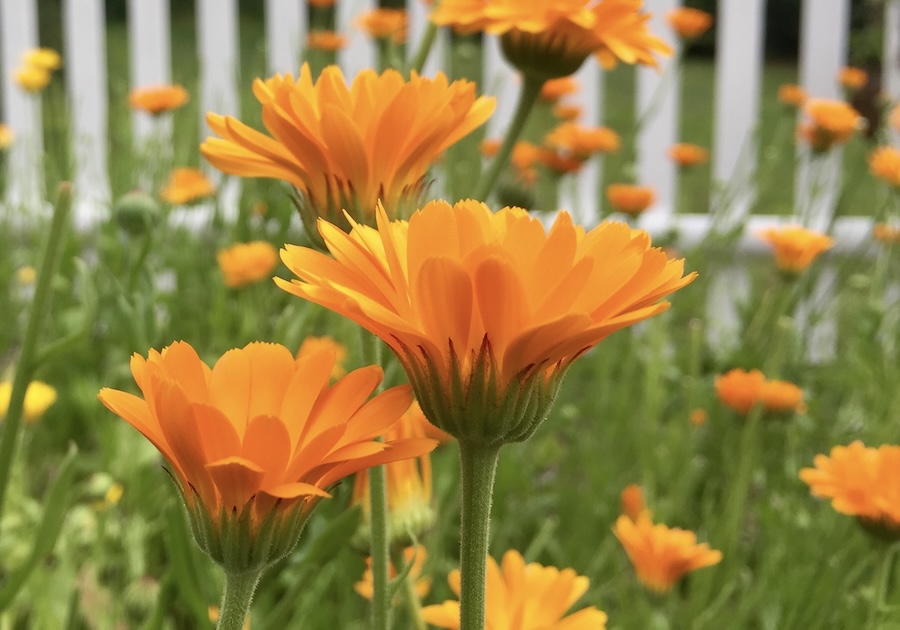
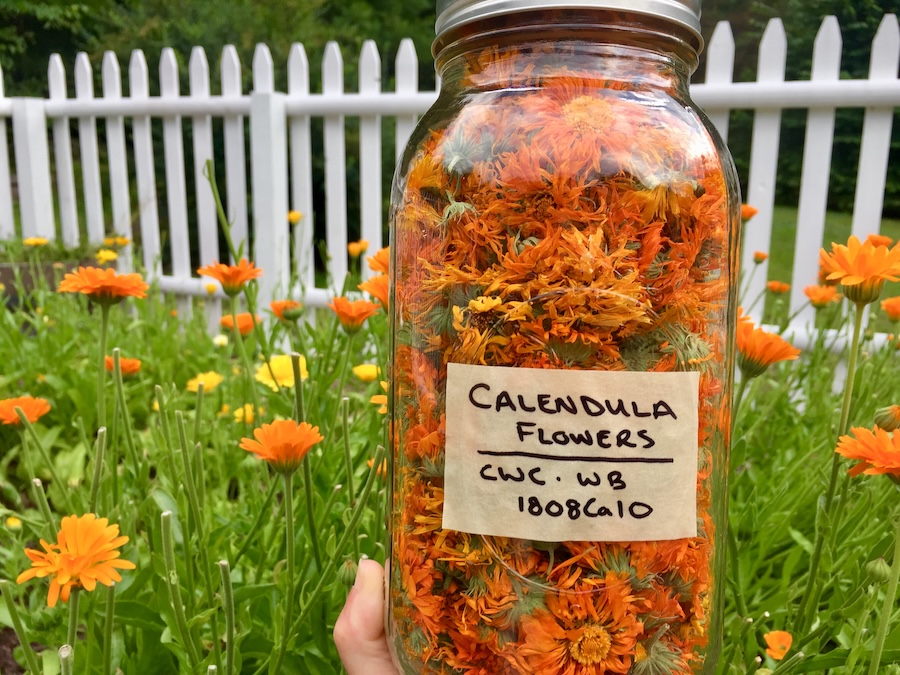
An acute episode of eczema or dermatitis can be maddeningly itchy, dry, and painful. Soothing plants infused in olive oil can bring almost immediate relief and help heal damaged skin. Calendula (Calendula officinalis) is my go-to herb. The fresh and/or dry flowers help to quell inflammation, improve healing, and have mild antimicrobial action. Fresh St. John’s wort (Hypericum perforatum) flowers and buds infused in olive oil will assist with healing and help ease the nerve pain common with acute rashes. The common weed plantain (Plantago spp) and/or garden herb comfrey (Symphytum officinale) are also miracle-workers that soothe and heal itchy skin. You can mash the leaves and apply them as a poultice or use them fresh or dried in an infused oil or salve. If you suspect a co-infection, oils or salves infused with fresh or dry oregano (Origanum vulgare), chaparral (Larrea tridentata), and/or thuja (Thuja occidentalis) leaves can be extremely helpful. (If your rash worsens, see your dermatologist to be sure that you don’t have a more serious infection like Staph.) Calendula, St. John’s wort, and thuja oils are available in most natural food stores and herb shops. Or you can easily and cheaply make your own infused oils and salves. Lavender and tea tree essential oils may be helpful if applied undiluted to the rash or added to your oils and salves. Also, if you really, really want to scratch your rash, try rubbing an ice cube on the area instead. This temporarily numbs the itch and decreases inflammation without damaging the skin and exacerbating the rash to get worse.
Inner Body Balance
Most herbalists also look to “clean” the liver and lymph when dealing with skin issues. That’s because your liver and lymph detoxify most of the waste that builds up in your body. They can become overwhelmed by a variety of factors including stress, inflammation, illness, lack of sleep, poor diet, and exposure to irritants, allergens, and toxins. When this happens, it manifests in our skin. While herbalists directly address those health issues, we also use herbs internally to “clean the blood” (really the lymph and liver). Calendula flowers also shine for this use, as do burdock (Arctium spp) root, dandelion (Taraxacum officinale) root and leaf, red root (Ceanothus spp), yellow dock (Rumex crispus) root, red clover (Trifolium pratense) flowers, fresh cleavers (Galium aparine), and fresh chickweed (Stellaria spp). I often combine three or four of these herbs with herbs that enhance connective tissue health such as gotu kola (Centella asiatica) or horsetail (Equisetum spp). They’re great as a tea, but you can also take your blend as a capsule or tincture. Bija’s Deep Cleanse tea is a pleasant tasting tea blend that’s commercially available. Your skin might get worse for a few days when you begin to use detoxifying herbs; however, it usually improves soon after and begins to resolve the skin issues.
Consider Food Allergies & Sensitivities
Sometimes skin reacts when the body is overwhelmed with the metabolic waste of a variety of processes. Food sensitivities – especially gluten, dairy, and eggs – gradually amp up inflammation and waste in the body. Keep a food diary and avoid any suspected culprit for about one month. Many rashes magically disappear!
Food & Nutrition to Promote Healthy Skin
I urge clients with skin issues to consume foods rich in vitamin C (citrus, peppers, strawberries, rosehips), silica (rice, corn, oat straw, oats, flaxseeds), omega 3 fatty acids (wild-caught salmon, sardines, fish or cod liver oil, flax or hemp oil), and the amino acids methionine and cystine (sunflower, sesame, and pumpkin seeds, wild greens like purslane, pigweed, and lambsquarters, beans and lentils, nuts, whole grains) because these compounds also enhance connective tissue regeneration and healing.
Learn More
Dive Deeper with Maria’s Books, Classes (including series + on-demand), Clinical Consultations
Related Blogs
Click on the text below to open the blog post:
- Skin Herbs & DIY Herb-Infused Oils & Salves ~ with Videos!
- Topical First Aid Herbs
- How to Make a Hydrosol ~ with Video
- Essential Oils: Pros, Cons, Facts, Myths & Tips
- Nutrient-Dense Herbal Recipes
- Dealing with Dryness
- Calendula Flower (Calendula officinalis) Student Monograph by Alicia Rainville
- Gotu Kola (Centella asiatica)
- Plantain Virtual Herb Walk
- Comfrey (Symphytum officinale & S. x uplandicum) Student Monograph by Kate Duinkerken
Follow Maria and Learn More About Herbs: Monthly Newsletter, YouTube Channel, Facebook, Instagram
Clinical herbalist Maria Noël Groves sees clients and teaches classes at Wintergreen Botanicals Herbal Clinic & Education Center in New Hampshire.
The statements made on this blog have not been evaluated by the FDA and are not intended to diagnose, prescribe, recommend, treat, cure, or offer medical advice. Please see your health care practitioner for help regarding choices and to avoid herb-drug interactions.
This article originally appeared in Herb Quarterly magazine in 2009.
Featured photo of calendula by Maria Noël Groves.